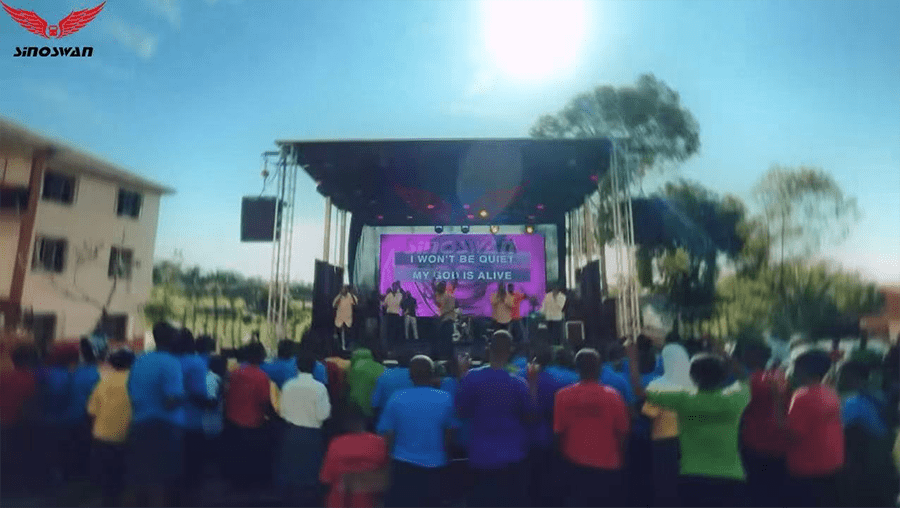
The 2026 election cycle has taken a new turn in Africa, redefining the concept of modern political campaigning. The old approach – hiring a building for hosting a temporary stage and getting the voters to come to you – has now been superseded with a more effective, more strategic approach – having a fully equipped election campaign truck come directly to you. The results of the analysis of 14 African countries for the 2026 elections show a striking pattern; Of the 14 countries surveyed, 78% of the winning candidates used a dedicated mobile stage for their presidential campaign, as a key component of their campaign toolbox.
Geography, economy, and voting behavior are the forces behind the change. African elections span large geographic areas with only a few fixed venues, road access is often unreliable, and rural areas are poorly reached by the traditional campaign approach. One election’s mobile stage unit can reach three to five locations in a single day, and help reach voter segments that competitors never actually reach. Voters’ turnout and name recognition are the deciding factors, and mobile campaign infrastructure has gone from tactical to essential.
The youth vote is calling for more visible and more active campaigns from candidates; the growth of social media reach is generating real-time amplification of live event presence; and the cost-consciousness of campaign managers is driving a need to get as much signal as possible for every dollar they invest. All three are addressed by the mobile stage for presidential elections: the physical presence, the live production capability, and the cost efficiency due to deployment.
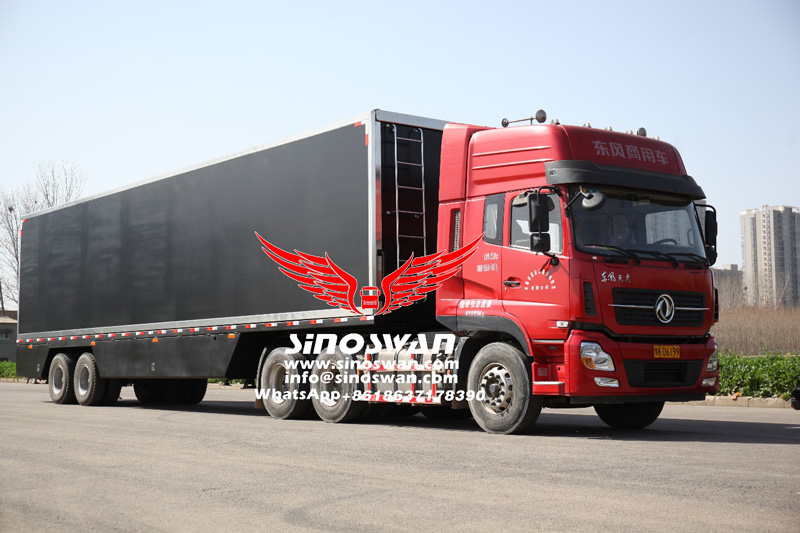
The most important benefit of a mobile presidential election is geography. Media attracts attention in urban rallies, and elections are decided in the wards, townships, and rural constituencies that never get coverage. In 20 minutes, a school yard, market square, or community field can be converted into a fully functional campaign venue with a campaign election truck, full PA system, LED screens, and professional lighting. This reach edge is no small affair. Rural ward participation has been a key determinant in tight races in Kenya, Nigeria, and Ghana.
The biggest resource that is lacking in an election campaign is time. A traditional stage setup takes 4 to 6 hours to put together and needs advanced logistics, contracted labour, and equipment hire. A modern election mobile stage unit can be deployed in half an hour to 30 minutes, can be used for multi-location schedules in one day, and can save the coordination overhead of booking venues and hiring equipment at each location. Often, the campaign managers who are implementing mobile stage infrastructure double the number of events they stage on mobile devices while reducing their event operations budgets by half.
The key to election campaigning is to be seen. The entire fleet of a branded election campaign truck with high-resolution LED screens, a raised stage platform, and professional audio projection, gives a visual and sonic presence that is impossible to miss in public places. The candidates who turn up on elections mobile stage truck, whose images are projected on giant screens and whose message is clearly heard among thousands of viewers, exude authority, resources, and organizational ability in the eyes of voters, who are more likely to trust them.
While the fixed-venue event production is a traditional method, the operational model of a Mobile Stage for Election Campaign has a completely different approach. A two-man operations crew can complete 3 to 5 full campaign events in one day in a 200-kilometre circuit. A completely professional stage setup (stage platform, branded backdrops, working audio/video) is installed at each location, and no advance setup crew is needed. This capability becomes thousands of more voter touchpoints per truck over its 60-day campaign.
Today’s election campaign trucks deliver professional PA systems, multi-panel LED video walls, broadcast-quality lighting rigs, and live streaming setups all in one deployable package. The mobile stage for Election Campaigns, provided by the leading manufacturers, can accommodate from 500 to 5,000 people for each event, live social media streaming, and real-time candidate messaging display all managed by a crew of two to three without outside technical contractors. This integration will remove the need for multi-vendor event production at each and every campaign stop.
The cost of venue rental, equipment hire, logistics, and labor over 60 days is clearly an attractive proposition compared to the cost of owning or leasing a dedicated elections Mobile Stage Truck. A well-used election campaign vehicle is often a “return on investment” event that can easily justify the expense when compared to the traditional method of producing campaign events. The operational control – ownership, control of the schedule, and no dependence on third parties – is a strategic benefit that can’t be bought.
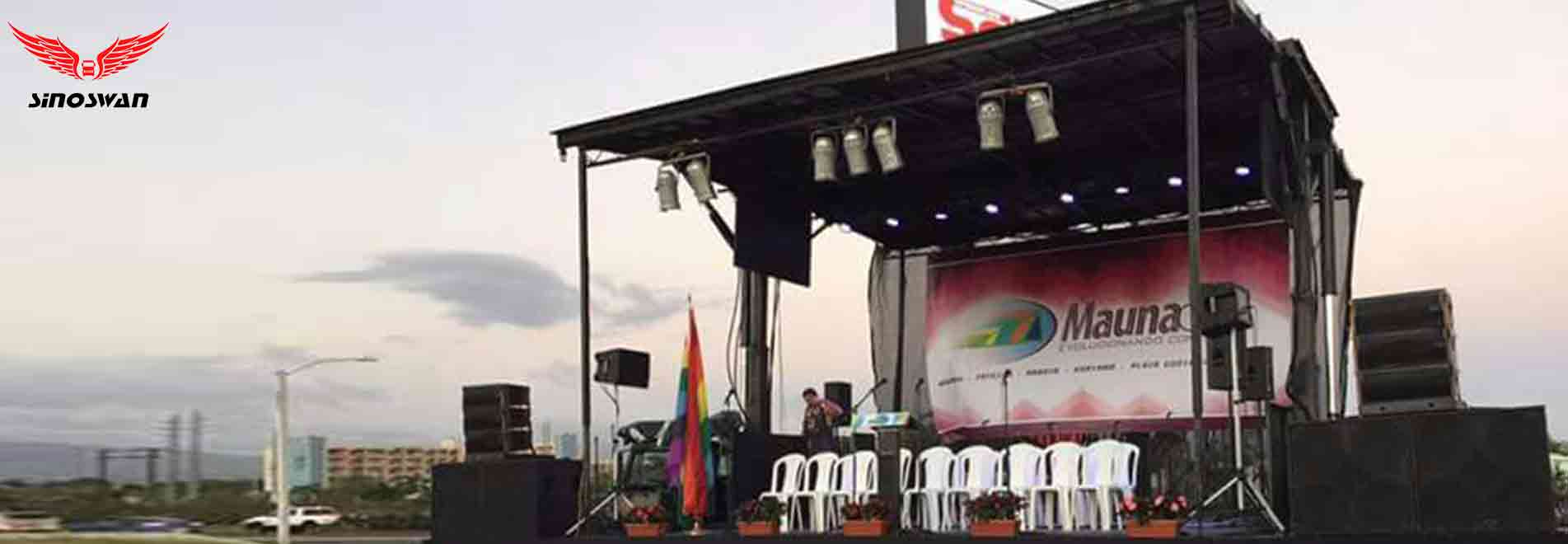
The Mobile Stage for Political Campaigns is the hub of the activation for candidate rallies, policy announcement events, and constituency engagement tours. The truck can be custom-branded with the candidate’s name, logo, and any content on the LED screen, making it a mobile campaign headquarters that showcases the candidate’s brand at every stop.
A dedicated Mobile Stage for Election Campaign deployment allows campaign managers to do structured tours with predictable logistics, consistent quality of events, and repeatable production standards at each tour stop, even if the local infrastructure at each location varies.
The Mobile Stage for Voter Registration applications is deployed to communities in need of voter registration officials, campaigners, and information resources. The obvious and marked involvement of the truck helps to drive a substantial amount of foot traffic and participation in comparison to unstaged registration drives.
Mobile Stage for Youth Events – an approach that blends political messages, live music, entertainment, and youth media – has been especially successful with the youth target audience, which is driving election outcomes in Africa. Mobile stages set the tone for the event experience, which is responsible for drawing and engaging youth.
Mobile Stage for Community Events provides a fusion of campaign messaging and real community service: health screenings, skills workshops, cultural performances, and community leader engagement. It always produces greater positive engagement and media attention than a traditional political rally format.
The use of the Mobile Stage for concerts reaches far beyond the election season. Mobile stage structures are used by music promoters, festival organizers, and government entertainment ministries all over Africa to deliver professional concert production in stages that lack any permanent formality.
Mobile Stage for Festivals deployments are available for national day celebrations, cultural festivals,s and other events that take place beyond traditional stages, requiring professional production standards. The self-contained power generation and AV technology on the truck make it perfect for events where there is no grid power.
The Mobile Stage for Roadshows format is ideal for government agencies and corporate brands to provide branded experiences in various markets in one campaign. The mobile stage has the potential to provide consistent and high-quality event production at scale, to deliver consistency across multiple product launches, for public awareness activities, and for national education campaigns.
Mobile stage trucks are now increasingly used by various government ministries in Africa for public health campaigns, agricultural extension, and civic education programmes. The platform is the most successful means of public communication available when deployed in the field due to its visibility, audio reach, and content display capabilities.
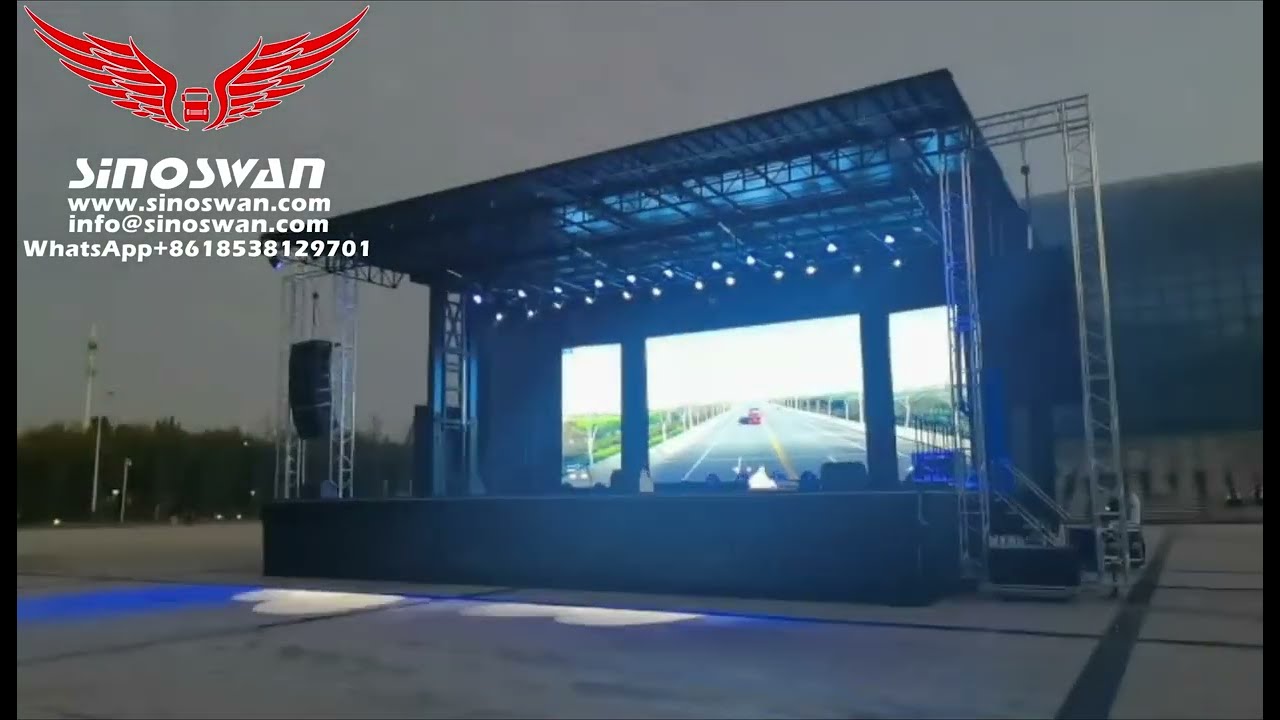
Infrastructure challenges are driving Mobile Stage Truck Africa’s growth. The self-contained mobile stage truck removes all reliance on local infrastructure in markets that lack permanent buildings, electricity, and logistics supply. A professional event performance can happen anywhere, thanks to the fact that the truck uses its own power, its own AV systems, and its own stage.
Elections mobile stage infrastructure has become commonplace in election campaign budgets of all major political parties in sub-Saharan African countries. The competitive dynamic is straightforward: once one leading candidate deploys a mobile stage truck, competitors face immediate pressure to match the production standard or accept a visible disadvantage in voter perception at every campaign event.
Mobile Stage Truck South Africa deployments have grown sharply since the 2024 general elections. Use of the Election Campaign Stage Truck Africa covers all county election circuits in Kenya and multi-state presidential tournés in Nigeria, extending to Ghana, Tanzania, Zambia, and Ethiopia. This growing demand is answered well for manufacturers who have already built their distribution infrastructure and after-sales support across Africa.
Electronics manufacturers that are familiar with deployments for political rallies have attributes that commercial manufacturers don’t necessarily possess: fast scheduling at multiple locations, branded wrap installation deadlines, political content display specifications, and security and crowd control requirements just don’t exist in commercial deployments.
The minimum standards to achieve are: certification to ISO 9001 quality management; structural compliance (CE sign-off) for road vehicles; and road vehicle certification for your target African markets. All manufacturers who are unable to provide current certification paperwork will be disqualified, no matter the quote.
For a customized mobile stage designed specifically for an election campaign, there’s a need for custom exterior wrap capability, campaign-specific AV presets, and customizable LED content management, as well as branded stage fascia and backdrop systems. Verify that the manufacturer has an in-house design team and well-established wrap installation partners who have proven political campaign experience.
You can’t substitute equipment for an election campaign. The manufacturer you choose should have dedicated technical support with guaranteed response, regional spare parts deliveries, and on-call engineering support during the duration of the campaign. Service level agreements should reflect commitments, and not be made on the word of mouth.
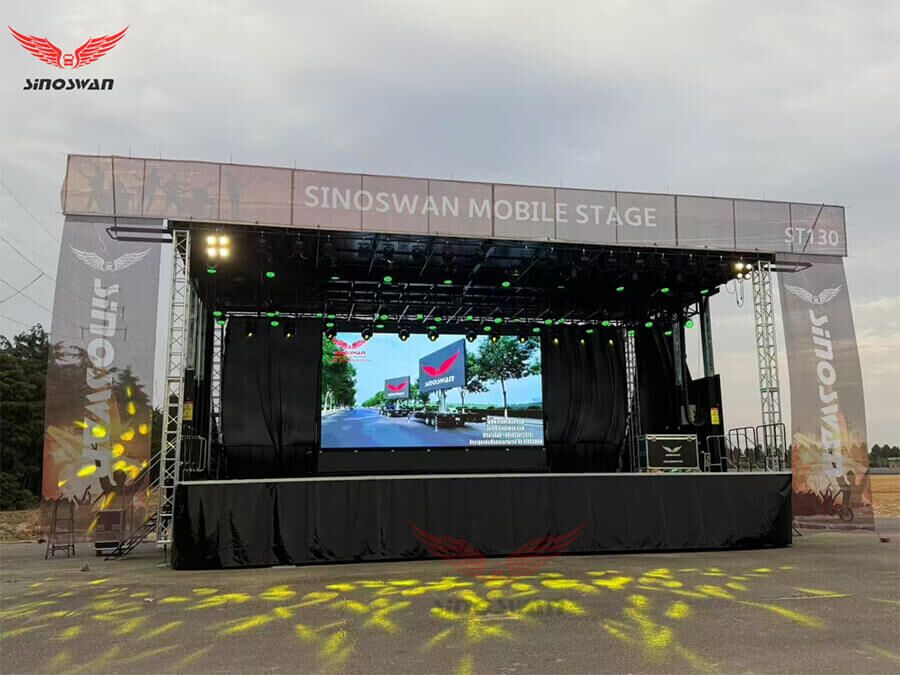
A Mobile Stage Truck is an all-in-one vehicle designed to transport, set up, and energize a complete stage system. A Portable Stage Truck usually means a trailer stage truck, which will need a particular tractor system and an outside electricity source. The integrated mobile stage truck has the advantage of rapid deployment, convenient operation, and adaptability to diverse stages and venue characteristics for elections.
A Mobile Stage Trailer will be less expensive than a fully integrated truck, but will necessitate a towing vehicle and extra setup time. Fixed Event Stages provide the highest level of production standards, but with no mobility. When touring for an election campaign, there is no match for the combination of fast, powerful, and self-sufficient set-up of the integrated mobile stage truck.
The efficient mobile stage truck (EMST) was the most efficient option on all platforms for political campaign applications for deployment, AV integration, geographic flexibility, and multi-purpose use. This cost comparison confirms that the mobile stage truck’s cost of ownership, over a projected lifespan of four to five years, is consistently lower than the cost of staging / comparable temporary rigs and equipment rental.
The main factors influencing Mobile Stage Truck Price are the specification of the chassis, stage platform size, and structural material quality. Units from entry-level through mid-range chassis with aluminum stage structures range about $120,000-$180,000 USD. The costs for premium units range from $300,000-$600,000 on European chassis with large-format stage platforms. The proper specification – not the best nor the worst available.
LED screens, touring PA systems, broadcast lighting rigs and live stream infrastructure range in specification level and all cost between USD $30,000 and USD $150,000 as additional options to the base vehicle. Ensure quoted AV packages are of known brands, backed by a known African service provider, and not from an unbranded company that offers no local servicing.
In addition to the LED material cost, full exterior vehicle wrap, custom stage fascia graphics and branded backdrop systems will range between $15,000-40,000 each. From an election campaign perspective, this is a non-negotiable item; this vehicle is one of the candidate’s biggest tangible investments over the course of the campaign period.
One-time Mobile Stage Trucks enable post-election “lease” opportunities—as concert halls, rocker fests, corporate events and government outreach! Campaign managers who design the campaign with a multi-purpose in mind will recoup 40–60% of its capital cost within 24 months after election day.
When looking for a Mobile Stage Truck for Sale, you should look for manufacturers who have experience on the African stage, can allow you tours of the factory, and have references of political campaigns the owners have used before. The online directories and trades exhibition contacts are good places to start, but always check with a factory before you order.
For any supplier, key questions: What is the Certified Wind-Load rating? What is the real-world deployment time with a two-person crew? Which brands of AV are mounted? What are the European standards of warranty coverage and their service model in use in African markets? How long does customization need to be for campaign branding? Do you have a chassis dealer network in your target country?
The most expensive errors involved in mobile set-up equipment purchases: purchasing based on price alone, instead of checking certification; accepting setup times based on word, but never verifying in person; guaranteeing parts availability without obtaining a written contract; overspecifying the generator load for full AV set-up; and not obtaining firm after-sales commitments until after signing.
The most popular campaigns’ trucks today feature crowd counters and audience intelligence tools using AI algorithms that deliver real-time insights into attendance and engagement alongside demographics, at every campaign stop. This information provides campaign managers with the ability to continuously fine-tune scheduling, messaging and resource deployment throughout the campaign tour.
AI-based route optimization tools leverage voter density maps, road condition information, and event scheduling factors to create campaign tour routes that yield more votes per kilometer driven. Smart route planning consistently yields 25–40% higher voter touchpoints than a traditional geographic schedule.
Today, mobile stage automation platforms have come to provide the tools for digital engagement, all of which can be accessed from a single point on the truck’s onboard control system: SMS voter registration, QR Code TMS policy downloads, social media amplification triggers, and live poll audience polling. These help the campaign reach audiences who aren’t at any event stop.
GPS Fleet Tracking, attendance tracking, social media reach, live audience analytics all contribute to centralised campaign performance dashboards, enabling campaign managers to see the effectiveness of each mobile stage deploy instantly. Data-driven campaign management at this level was previously available only to the largest, best-resourced political campaigns.
Voter registration, dem mapping, sentiment analysis of social media, and mobile stage event performance are all now part of a new format for political outreach effort measurement and evaluation in Africa. Campaigns running this integrated data campaign offer statistically significantly better voter conversion results than those that follow old-fashioned campaign intuition.
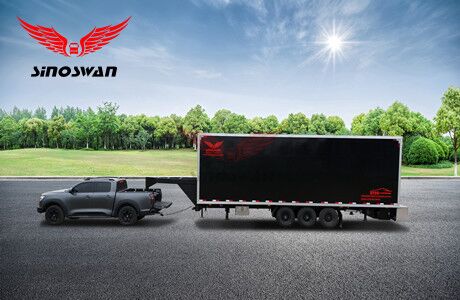
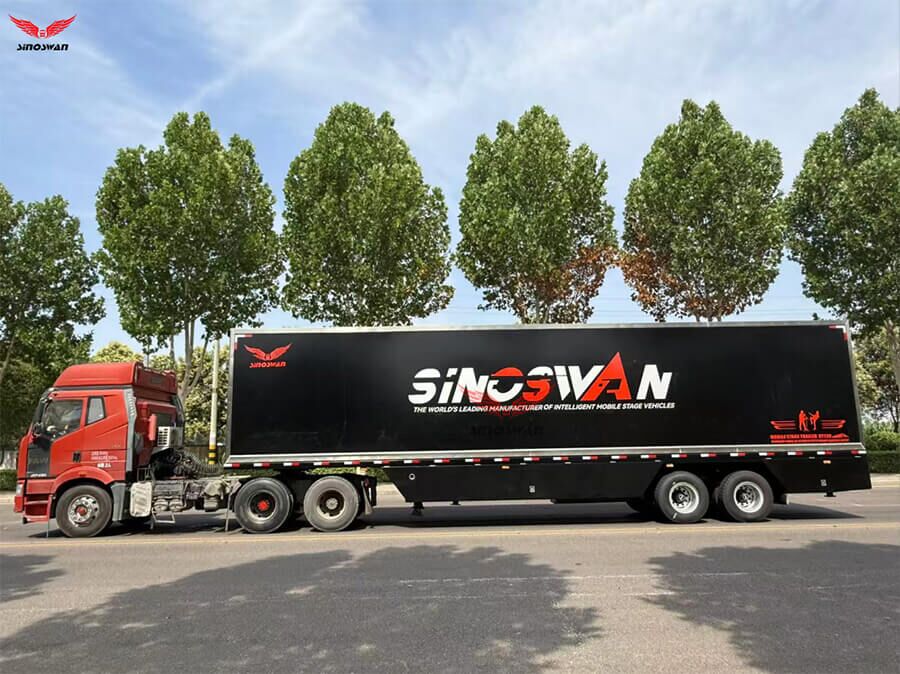
Mobile marketing trailers are suitable for companies seeking a scalable and cost-effective mobile presence at retail events, outdoor mobile activation locations, and trade events. They have carried their greatest asset — the power to bring the brand experience to the audience — with them to the mobile stage truck, but in a more tantrum-friendly, affordable package for commercial marketing uses.
A mobile marketing truck can provide the brand activation capability in a one-stop mobile road vehicle, allowing product launches and promotional campaigns across the country without the need for dependency on venues. Their engineering DNA is much like that of election campaign trucks, but they are set up for commercial brand applications.
Mobile marketing trucks in fleet formation provide the ability to activate a brand simultaneously across multiple markets at the national level, which is now being leveraged by consumer goods brands, telecom brands, and financial services brands in Africa for product launches and market penetration campaigns.
The mobile marketing vehicle category has come a long way in a short period of time, with features such as integrated digital signage, systems for capturing customer information, technology for using the vehicle to demonstrate products, and the ability to create social media content for the vehicle and its drive wheels that can be deployed anywhere in the market and be road legal.
A mobile media truck is brought by the government, broadcasters & NGOs for public information campaigns, live news coverage, and community broadcasting to areas lacking fixed media infrastructure. The vehicles are used for a public communication role, much like election campaign trucks are used for political communication.
The health ministry and NGOs deploy mobile medical trailer platforms to provide primary healthcare, vaccination campaigns, and health screening to remote and unreached sections of the population, following the mobile infrastructure principle that election campaign trucks adopt in order to reach new voters.
Mobile health services for people who cannot access services in their communities. The mobile stage truck in political campaigning has its parallels in the mobile medical van; in both situations, the ultimate problem of reaching people in Africa is: get services to people, not people to the services.
The consistency of campaign strategies necessary to win is mobile for early asset deployment (hacking the system to gain a physical presence before opponents); multi-location, everyday scheduling for increased voter touchpoints; integrated social media broadcasting to extend the reach of real events; and local community leader co-presence on the mobile stage to gain credibility in the constituencies.
The results of the 2026 African elections are clear: candidates who were able to visit more geography with regular and professional event production were better than their counterparts who had fewer, bigger events. Successful campaigns have been the result of an operational reach achieved by deploying stage trucks to mobile locations.
The mobile stage will remain a political campaign tool in the years to come. 2026 and 2027 are seeing a variety of new products in the market, such as lightweight composite stage structures, solar-hybrid power systems, 5G-enabled live streaming, and AI-driven voter engagement analytics. Investment in next-generation mobile stage infrastructure now will give campaigns a continuing technological edge during the next election cycle and well into the future.
Mobile Presidential Campaign Stage is a specially designed campaign truck that rolls up a fully equipped campaign-stage site at any location. Combines audio, LED signs, lights and branding into an all-around legal road traveling platform for multi-location campaign events.
The election campaign truck allows for professionalized campaigns with the ability to hold professional rallies both in cities and villages, without relying on the venue. It gives a representation of candidate status, provides a uniform message, and creates shareable live event content at the same time.
Mobile Stage Truck Africa is developing because physical access to voters is a vital campaign strength in Africa, given its vast size, lack of fixed venues and competitive election contestations. Mobile stages take professional events to any place where there is a road.
The mobile stage truck price is generally anywhere from around $120,000 for a more affordable truck, up to over $600,000 for larger-format trucks with a more premium AV system. The required investment level will vary depending on the size of the stage, the specification of the technology and the timing requirements of the campaign.
Look for a Mobile Stage Manufacturer that already has experience in Africa, has ISO 9001 certification, has references for political campaign projects, has after-sales service in the region, and allows for custom branding. Only choose based on purchase price alone, after checking the service network and certification documentation.
A Mobile Stage Truck has all the essentials built into one vehicle – stage and power. Mobile Stage Trailer will need a separate towing vehicle and generally will take longer to set up and offer more complexity in logistics.
Yes: There are mobile stage accessories and platform capabilities that allow for concerts and festivals, corporate roadshows, government outreach, health campaigns and learning events. Following the election cycle to carry out multi-purpose utilization substantially enhances asset returns.
The modern expandable truck stage system can be deployed in just 15-30 minutes, requiring only two people to operate it. With fully automated systems that operate remotely, a full deployment can be completed in less than 15 minutes and have 3-5 full campaign events within a single hour of operation.
Yes — Mobile Stage for Voter Registration deployments establishes community registration points in the eyes of people and actively increases participation that is seen more often than unstaged drives. Branded presence and PA’s entice foot traffic in public places.
The event stage truck segment is being dynamically redefined with the integration of AI analytics of audience behavior, 5G live streaming, smart route optimization, solar hybrid power, and digital voter engagement tools. The technology is moving from the best-of-breed rep to the standard in well-budgeted campaigns.