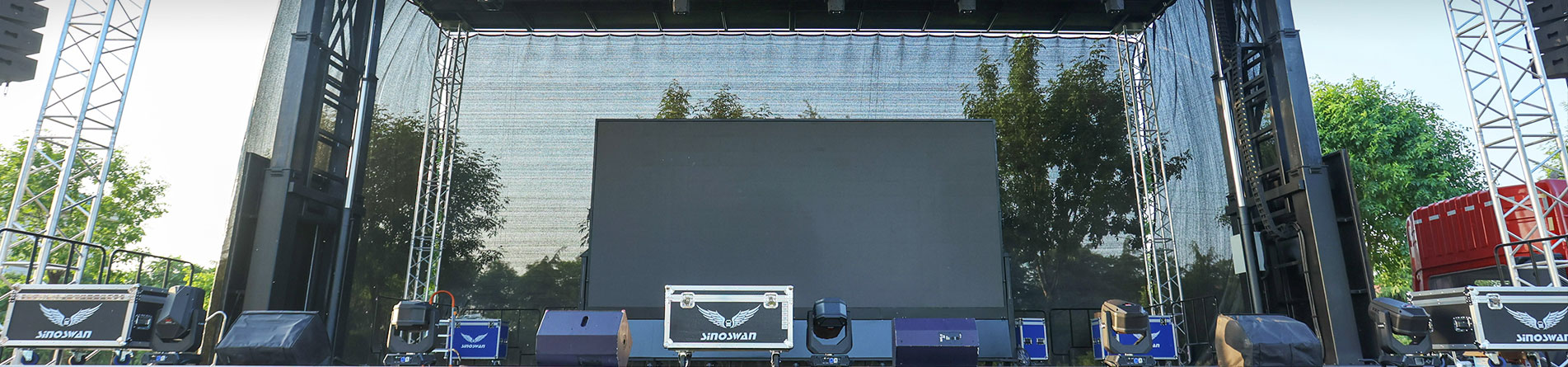
Over the past 10 years, the live event industry has changed beyond recognition. Once, event planners spent hours and days erecting elaborate stage platforms – now a mobile stage truck can arrive, automatically unfurl in less than an hour, and provide a world-class performance stage capable of hosting tens of thousands of fans. By 2026, the stage truck is the mainstay of event production – not only for music events and festivals, but also for corporate events, religious assemblies, political rallies and humanitarian aid missions.
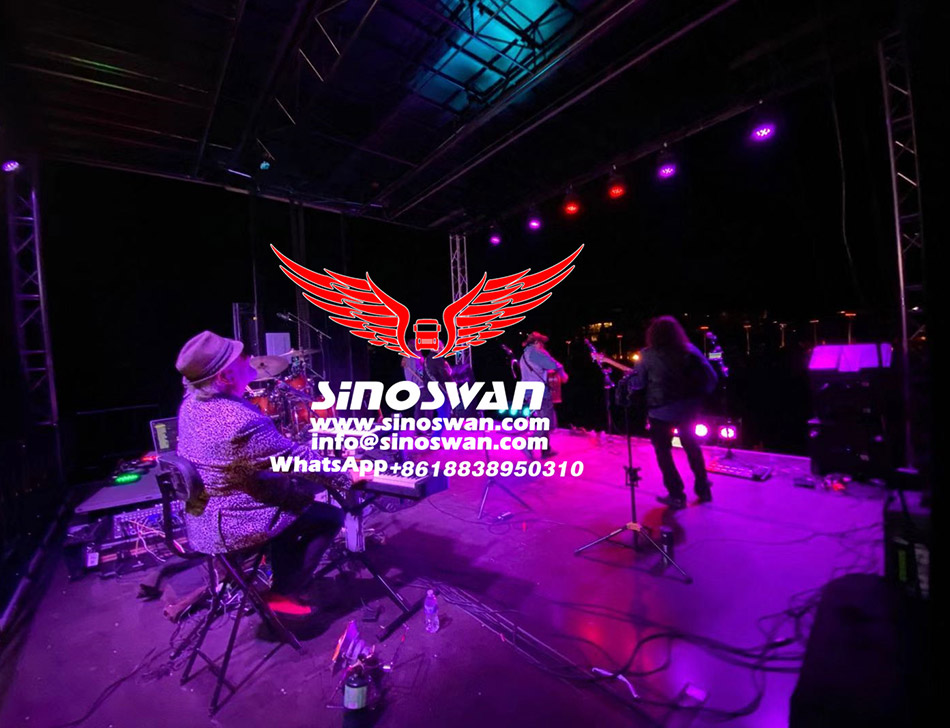
A mobile stage truck is a specially designed vehicle, usually a large truck or semi-trailer, with an integrated, hydraulically extended stage. It delivers to its destination on wheels, with internal extends that operate via instrumented hydraulic or pneumatic drives and it is ready to perform for audiences in 15 to 60 minutes without the need for external scaffolding or cranes.
Definition and Core Concept
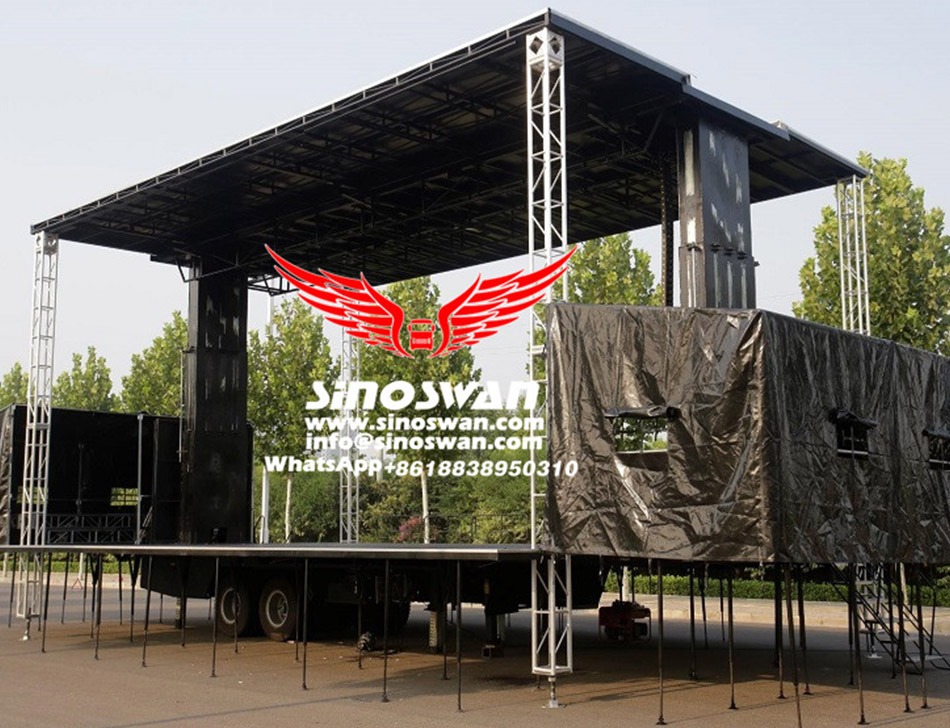
A stage truck is essentially a chassis based on a commercial vehicle, with a stage structure fitted inside. When deployed, the stage sections are unfolded to form an elevated stage complete with canopy, sides, and risers for performers. Some models also include LED video displays, sound reinforcement points, and broadcast connections – evolving a vehicle into a production set to suit the entertainment industry’s needs.
Each staging type serves different event needs based on mobility, setup time, and cost.
|
Feature |
Mobile Stage Truck |
Trailer Stage |
Traditional Stage |
|
Setup Time |
15–45 minutes |
30–90 minutes |
4–24+ hours |
|
Mobility |
Drive-away ready |
Towable |
Fixed / Dismantled |
|
Crew Required |
1–3 operators |
2–5 operators |
10–30+ crew |
|
LED Integration |
Built-in available |
Add-on possible |
Separate rigging |
|
Cost per Event |
Lower (multi-use) |
Moderate |
High per event |
Each solution serves a different operational profile. For events demanding the highest frequency of location changes and the tightest deployment windows, the self-propelled stage truck is the definitive choice.
Key Components and Structure
A fully equipped mobile stage truck typically comprises the following components:
Event planners choose mobile staging for efficiency, cost savings, and flexibility. These benefits make it ideal for tours, campaigns, and multi-location events.
Cost Efficiency
Building a stage implies renting steel, scaffolding, supports for the ground and a crew of workers, all of which escalates considerably for multi-venue tours. The stage truck is a single capital (purchased) or rental item that moves from market to market. The average cost savings for a 10-city tour with a mobile stage compared to building a new stage at each location is 40 to 65% of the total production budget.
Speed and Flexibility
By 2026, the quickest mobile stage trailer system can deploy a 10-metre performance platform in less than 20 minutes with a crew of two. The fast set-up times change the way events are booked. A planner can now schedule double-header events from the morning until evening in two locations in the same city, or push an “event of the day” in response to a last-minute promotional opportunity. The quick deploy stage trailer also removes the weather barrier facing the traditional builds.
Multi-Location Advantage
Political candidates, consumer brands, and musical artists all need to maintain consistent branding across a variety of sites. A mobile stage truck provides this solution. The stage shape, media surfaces, LED layout and audio brackets are the same at every event site, enabling sound and lighting technicians to run the same show file and technical rider at every event.
Different events require different staging approaches and configurations. Mobile solutions adapt easily to concerts, promotions, and community events.
Concerts & Festivals
The stage truck has found success in the music festival industry, for secondary stages, temporary pop-up shows, and even headline touring artists. A touring stage trailer with a hydraulic lifting system can host secondary performances by emerging talent on an automated stage truck while the primary stage is being set up for headline acts – doubling the entertainment content for the same budget as a fixed trailer stage.
Corporate & Promotional Events
Brand activations, product launches, and corporate roadshows represent the fastest-growing segment for stage truck deployment in 2026. Corporations promoting new cars, electronics or even lifestyle brands are pairing the LED display truck with mobile stages to develop immersive media experiences that can be deployed from the CBD to the retail mall to an event stage within the campaign timeframe.
Community & Charity Events
The mobile stage for charity events has helped nonprofit foundations and other organizations create first-class public event experiences without the investment in permanent facilities. Mobile stage trucks have been embraced by community foundations, humanitarian aid agencies and local governments alike to host fund-raising concerts, public health awareness events, and community celebration activities at accessible residential neighbourhood locations.
Interestingly, medical mobile trailers and mobile health units also have several structural similarities to stage trucks, and many manufacturers build both.
Religious & Church Events
The mobile stage for religious events such as mega-evangelical campaigns (even the secular equivalent of Hajj), outdoor Easter or Christmas celebrations, and other community gatherings in response to the interest of churches and worshippers to evangelise, socialise and develop community in the immediate neighbourhood. The mobile concert stage truck offers a sanctified performance/pulpit stage with proper acoustics, visibility, and dignity for large outdoor events.
Religious event staging has particular requirements, including long wing decks for choir placement, integrated audio systems for intelligible speech at greater distances, and modular backdrop systems for religious imagery.
Political Campaigns & Elections
The need for staging has a rich history in politics, and recent elections in 2025 and 2026 across a number of countries have seen significant improvements in the quality of mobile election event staging. The modern election truck campaign stage features LED screens for video streams, policy displays, sound systems for rally crowds, and social media feeds for mass distribution of online content.
The automatic stage truck, capable of self-deploying without large crew support, is the only format that can sustain that operational tempo at scale.
These case studies illustrate the use of new staging technology in practice. They demonstrate agility, efficiency and value across various sectors.
Theme Parks & Expo Events
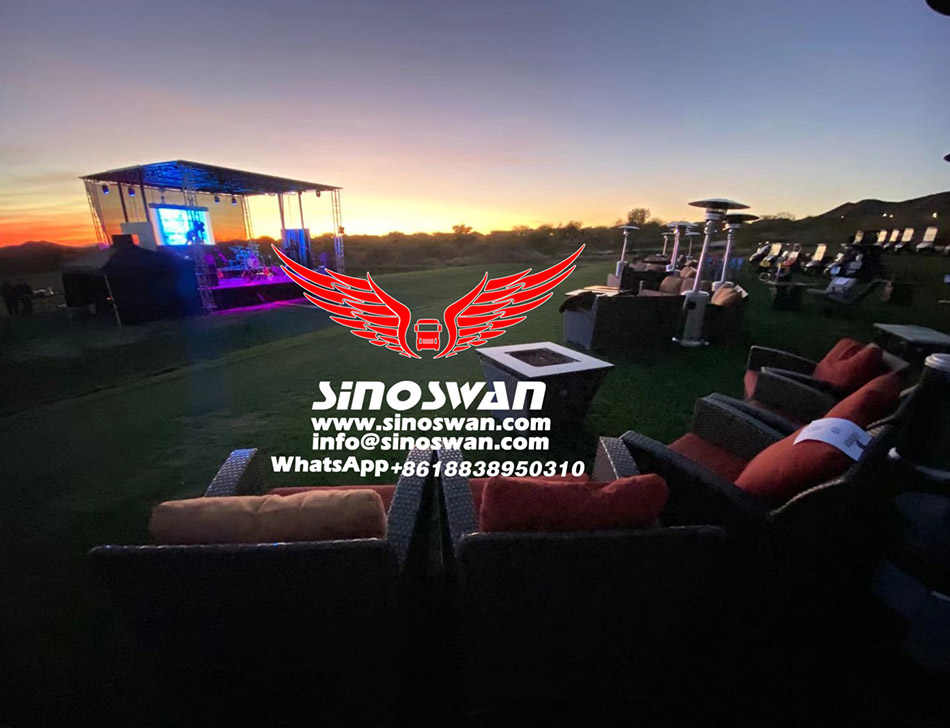
Theme parks and international exhibitions are turning to the fastest mobile stage trailer 2026 to offer dynamic entertainment over extensive areas without the need to construct fixed structures. At global expos, fleets of LED display trailers and LED billboard truck units provide both performance opportunities and advertising, making them a valuable event stage solution that delivers both consumer engagement and brand exposure at busy locations.
Music Festivals
Event organisers of multi-stage festivals like the flexibility of a mobile concert stage truck (or fast setup stage truck) as a means to deploy multiple secondary stages. Faster event stage truck setup time allows more performances within tight schedules. A hydraulic stage truck combined with mobile stage lighting trucks and mobile sound trucks can help set up a stage truck for events within the shortest time frame, making it the fastest stage setup solution for festivals that have short schedules to accommodate a lot of artists across multiple stages.
Roadshows & Brand Promotions
Mobile marketing stage truck and mobile advertising truck are one of the dominant formats for brands to conduct mass roadshows today. An effective marketing trailer or campaign stage truck allows brands to create immersive experiences even without the right venue. Combining LED trucks for events, live streaming and performance decks, a mobile LED trailer is then transformed into a mobile event stage that can engage audiences on the ground and online with consistent branding and audience reach.
Today’s mobile stages are both robust and automated. They offer rapid setup, safety and reliability.
Hydraulic Systems
The core of a fast deploy system is the hydraulic stage trailer, which allows a quick conversion of the stage from transport trailer to mobile stage within a few minutes. A rapid deployment stage system can automatically adjust to the terrain while providing stability through the use of sophisticated pressure systems and leveling equipment.
Automation Features in 2026 Models
The latest automatic stage truck systems are enabled by intelligent control technologies for users. Using PLC control and monitoring, the whole mobile stage trailer can be controlled from a tablet device to ensure safety and efficiency. Such technologies make mobile stage for outdoor events and mobile stages for charity events easier to set up, as they require less technical support and can still be used to produce broadcast-quality staging.
Smart Engineering & Expanding Use Cases
The applications of the mobile stage on a trailer extend beyond entertainment events – this includes industries like broadcasting and healthcare. Variations like mobile medical trailer, mobile health unit and outside broadcast van show how the same engineering designs can be applied to essential services. In addition, use cases such as mobile stage for church services and election campaign truck setups demonstrate how the stage truck is multipurpose in many “real life” applications, making it the go-to solution within industries where speed, mobility and flexibility are required.
Setup speed is a major benefit of mobile staging setups. A quicker setup time leads to a better turnaround, cost reduction, and flexibility.
Average Setup Time
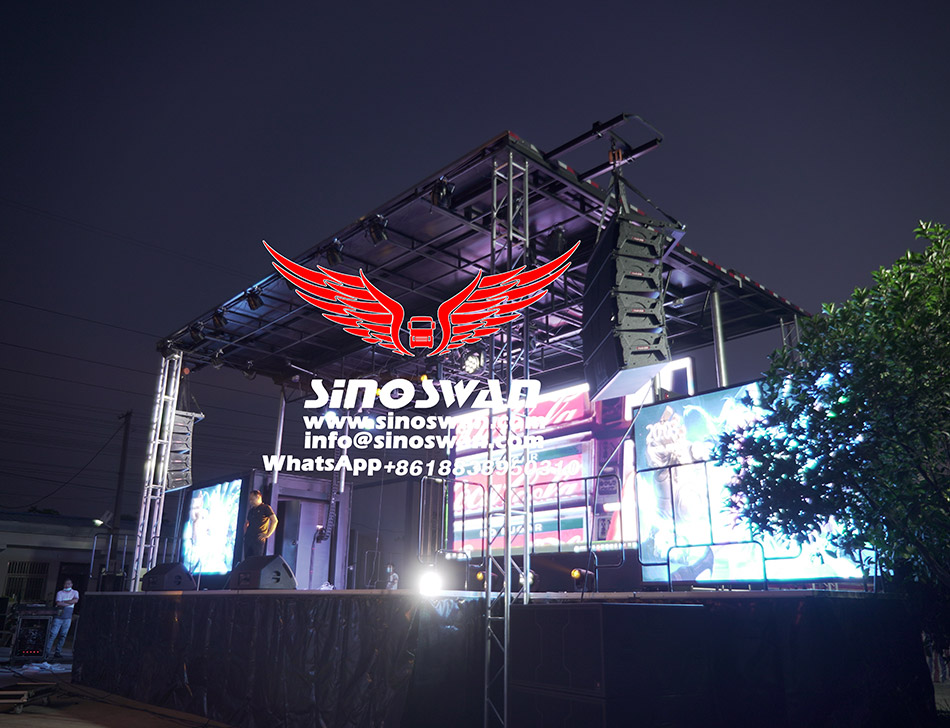
In 2025, benchmarking of the event industry shows average setup times for stages to be: traditional wood scaffold concert stage – 8 to 24 hours; traditional trailer-based concert stage (with manual assembly) 2 to 4 hours; mobile stage on a hydraulic mounting – 15 to 60 minutes; automatic conveyor-based stage truck (best of breed) – under 20 minutes. The quickest mobile stage trailer on the market today is deployable-ready in 12 minutes with two people on level ground.
Quick Deploy Systems
The fast-deployment stage trailer achieves its speed by removing manual labour steps. All structural connections are completed by the action of hydraulic rams and not by people using bolts, pins and clamps. The only manual tasks of a top-of-line rapid deploy stage are the installation of stabilisers (automated in 2016 models) and the hook-up cables of shore power or a generator (if not using the onboard system).
Why Speed Matters
The faster the stage system, the better it is for business. A stage that can be deployed in 30 minutes instead of 8 hours means that the space can be used for other activities throughout the day, meaning less total space and time lost over the course of the production. For street and city centre events, this can determine whether their permits are approved.
Today’s mobile stages are more than just stages – they are video, sound and lighting production systems. These systems enable a great effect while simplifying stage setup.
LED Display Integration
LED screen integration with staging units has been a standard practice in 2026, with options like an LED trailer for events offering side and rear projection along with front-facing screen components for optimal visibility. To enhance transportation resilience, a mobile LED trailer features panels with different pitch sizes, to allow for close viewing or large outdoor applications, and flexible arrangements, allowing changes to displays without replacing the entire system, making the LED display trailer and LED screens trailer easily configurable solutions.
Sound & Rigging Systems
Today, staging units come with integrated rigging capabilities, enabling safe hanging of audio array systems, lighting and cameras without the need for extra structures. A rigging-capable stage truck incorporates load points and cabling to create a robust event stage solutions that enhances safety, simplifies setup, and delivers consistent technical performance across different staging areas.
Audience Engagement
Good audience engagement is achieved by integrating the effects of visuals, lights and audio. With clear visuals, coordinated mobile stage lighting, and reliable sound, even a small mobile stage unit can give a professional event experience, making a modest mobile stage into an attraction that draws and entices, in turn promoting social sharing to a greater audience.
Here are some examples of how the mobile stage fits into other industries. They demonstrate adaptability, efficiency, and reliability under various conditions.
Presidential Election Campaign
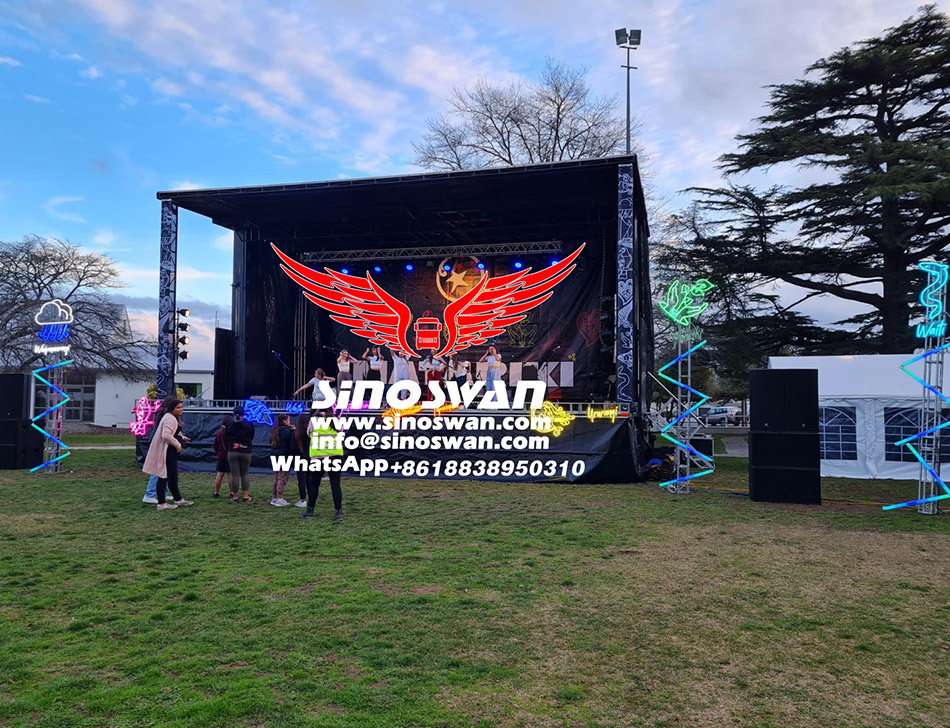
A presidential election campaign manager staging a rally tour of 40 cities over 60 days would deploy an automatic stage truck to support a uniform rally structure for all cities. Three hours before the rally, the campaign stage truck rolls on site. It takes 25 minutes to set up the stage for an advanced crew of two. Campaign imagery and live campaign speeches are projected onto LED screens. The stage folds up after the rally, a truck transports it overnight, and the rally repeats.
Church Crusade Event
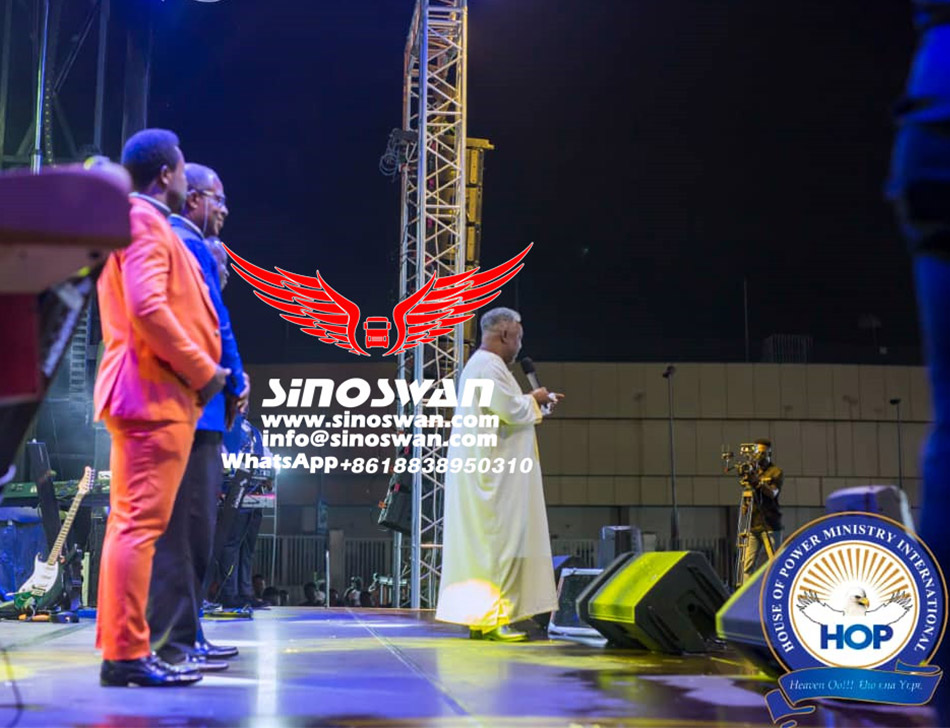
A multi-point crusade by a large evangelical ministraturegional crusade is on tour, and their mobile stage for church services accommodates a 30-member choir seated on a wing deck, a teleprompter podium and a worship band with full backline. The LED displays show inspirational images and lyrics for congregational worship. The mobile stage lights assist with dimming for nighttime outdoor events. All tasks are executed by a three-person ministry production team.
Music Concert Tour
A touring independent artist performing in 20 South and Southeast Asian markets produces their shows on a portable concert stage truck, rather than having to deal with local staging contractors. The standardised stage size means the show design produced by the production designer stays the same in each market. The LED display trailer provides similar staging to arena touring productions, without the expense of arena-sized production logistics.
Community Festival
A local council organising a series of community festivals over the summer months uses an outdoor stage that can be moved around the different parks or community centres each weekend. The stage truck does not need site preparation, anchoring permits, or engineering supervision (beyond the operator’s license). Community bands, school orchestras and cultural committees share the same stage with the main event, making for an egalitarian community event platform.
Brand Promotion Roadshow
Electronics retailer unveils new products on a 30-city mobile marketing campaign. The product promotion vehicle includes product display pods in addition to the portable performance stage, creating a multi-sensory environment that leverages artist performances to generate traffic and product displays to create buying intent. The LED truck billboards support broadcast video and augmented reality elements created by participant mobile devices.
Performance, safety and lifespan are key when selecting a truck.
Safety & Durability
Mobile stage trucks to be used at events should be third-party engineered for the deployed configuration, with load information for the stage deck, roof, and any overhead rigging points. This is critical if the stage will be used outdoors. The deployment system should be equipped with several independent locking mechanisms to restrict any movement within the deployed and locked stage structure.
Ease of Deployment
You should look for a system that has a defined procedure of less than 30 minutes to deploy for a two-man crew on flat terrain. The control panel should be simple to use and provide visual cues for the deployment process. Ask if the system requires manual outrigger deployment; consider a fully automated outrigger system, which will substantially reduce the number of personnel and time required for deployment.
Integrated Technology
Look for cranes with integrated LED display structures (not requiring separate hire for screens on separate strutworks), integrated generator power, rigging-rated roof structures and cable management. The cost of ownership (including all the additional production elements that a well-integrated mobile stage obviates) is significantly reduced for fully specified units compared to fundamentally bare mobile stages that require extensive hire of equipment.
Technology and efficiency are driving future trends. This will enhance automation, sustainability and data analysis.
AI & Automation
By 2026, the most advanced manufacturers of stage trucks will add AI support for deployment sequencing to their fleet management systems, which will analyse site (from sensor-equipped stage trucks) and suggest the preferred stage placement, as well as pre-set the stage’s hydraulic deployment settings for the specific soil condition and anticipated wind loads. Predictive maintenance AI is already under trial on stage fleets, which uses deployment history analyses to recommend maintenance cycles on a proactive basis.
Electric & Hybrid Stage Trucks
The shift to electric and hybrid commercial vehicle platforms is just now taking root in mobile stages. Many trucks now have electric motor drives for their hydraulic pumps to reduce fuel use while in operation. Mobile stage trucks with fully electric drive (capable of deployment and a multi-hour event without direct emissions) are being developed by several manufacturers in anticipation of the smart city restrictions and corporate sustainability demands.
Data-Driven Event Marketing
Data-driven event marketing trailer is a new trend in mobile event production. LED display trailer systems are now starting to include audience counting and demographic profiling functions based on computer vision, offering event organisers real-time attendance, audience interaction and media engagement data previously only available in events at fixed venues with installed sensor networks.
The mobile stage truck has evolved from a novelty tool for promotion to serious business event production. By 2026, the fastest mobile stage trailer systems will provide deployment times and creative capabilities unheard of ten years earlier, thanks to advances in hydraulic technology, automation, material technology, and integrated audio-visual systems.
Sinoswan is still innovating new mobile stage solutions that meet the demands of 2026 and beyond, offering the fastest mobile stage setup and delivery times combined with the greatest integration of LED display, audio, and broadcast technologies offered by a mobile stage system.
Q1. What is a mobile stage truck and how does it work?
A mobile stage truck is a self-contained truck that houses a hydraulic stage. It can be deployed within minutes, forming a full stage setup.
Q2. How long does it take to set up a mobile stage?
A typical stage deployment takes 15-45 minutes. Some automated systems can take less than 15 minutes.
Q3. Are mobile stage trucks suitable for concerts and festivals?
They can be used for both large and small festivals or concerts. They can host commercial audio, visual and lighting rigs.
Q4. Can mobile stage trucks be used for political campaigns?
They are perfect for campaigning rallies and multi-city engagements. Fast setup ensures each event is delivered flawlessly.
Q5. Are mobile stages suitable for religious and community events?
Yes, they are also used for religious and festival events. They are suitable for open and unstructured spaces.
Q6. What features should I look for in a mobile stage truck?
Essential features include certification, stability and speedy set-up. A mobile stage truck also has enhanced technology.
Q7. What is the difference between a trailer stage and a mobile stage truck?
A trailer stage must be transported and may require manual assembly. A mobile stage truck is drivable and deploys automatically.
Q8. Can mobile stages support LED screens and advanced lighting?
Yes, most units have integrated LED screens and lighting. This improves the audience experience without additional equipment.
Q9. Are mobile stage solutions cost-effective?
They save on setup and labor expenses for multiple events. Making them a worthwhile investment over time.
Q10. What types of events are best suited for mobile stage trucks?
Concerts, festivals, roadshows and campaigns. Events that require fast setups and versatility.